Rare Snails Return to Norfolk Island
O Parks Australia concluiu a soltura de mil caracóis raros em uma floresta da Ilha Norfolk; os sinais de reprodução são positivos, mas a recuperação ainda depende de monitoramento.

Level 1 (A2)
🎧 Listening Audio (Level 1)
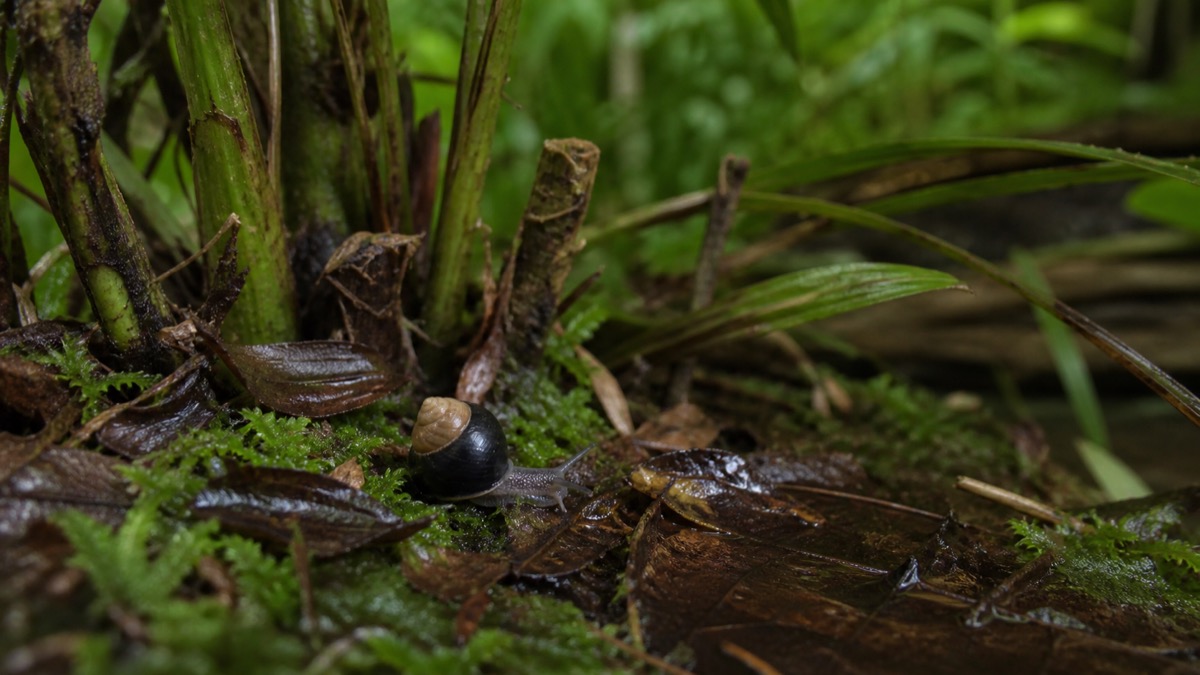
A tiny Australian animal has returned to the wild. Parks Australia announced on August 13, 2026, that the final release of captive-bred Campbell's keeled glass-snails was complete. Rangers released the remaining 1,000 snails into a quiet rainforest valley in Norfolk Island National Park. This species is endemic, which means it lives naturally only on Norfolk Island.
People had not seen these snails for almost 25 years. Then, in 2020, a local citizen scientist found them again. A small group went to Taronga Zoo Sydney. Experts used captive breeding to help the animals reproduce in a safe place. The program became Australia's first project to move zoo-bred snails back into the wild.
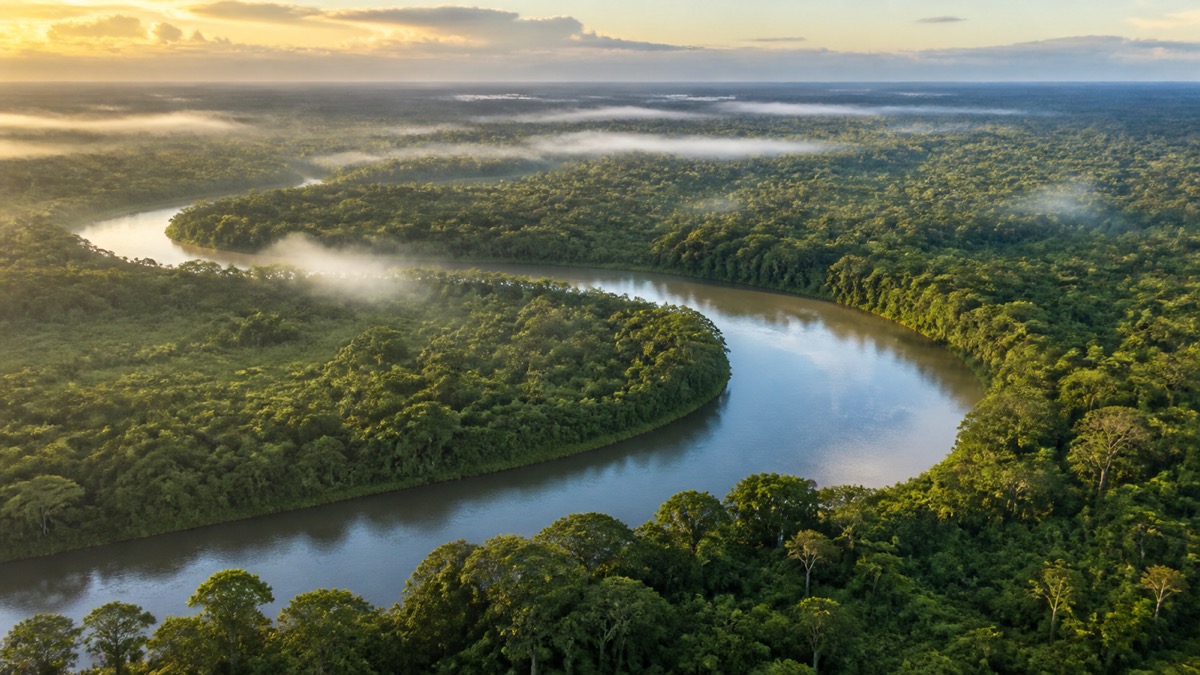
The return happened in two main steps. About 300 snails were released in July 2025. The latest group of 1,000 completes the breeding and release phase. Moving animals to another safe part of their natural area is called translocation. The new site is wet and has food such as organic material on the forest floor.
Rangers regularly check the release area. The snails usually live for 12 to 13 months in captivity. Because a year has passed since the first release, the park team says that most snails now found at that site were probably born in the wild. This is an encouraging sign, but it is not final proof that the population is safe forever.
Introduced animals, including rodents and feral chickens, can still threaten native snails. The park uses traps, special baits, cameras, and research to reduce these risks. The goal is a self-sustaining population that can survive and reproduce without more zoo releases. The confirmed good news is that the breeding phase finished, 1,000 more snails reached the forest, and natural births have been observed. Long-term recovery will still require protection and monitoring.
🔑 Key Vocabulary (Level 1)
🗣️ Let's Discuss (Level 1)
- 1Why did experts breed the snails at a zoo?
- 2What makes the signs of natural birth encouraging?
- 3Why is it too early to say the species is completely safe?
- 4How can citizen scientists help protect wildlife?
- 5Which small animal in Brazil deserves more attention?
✍️ Exercises
Practice what you learned in Level 1
Quick Quiz
How many snails were in the final release?▼
Answer:
1,000
Who helped find the species again in 2020?▼
Answer:
A local citizen scientist
What is still needed after the release?▼
Answer:
Protection and monitoring